What to know about Disaster Resilience Awareness Month
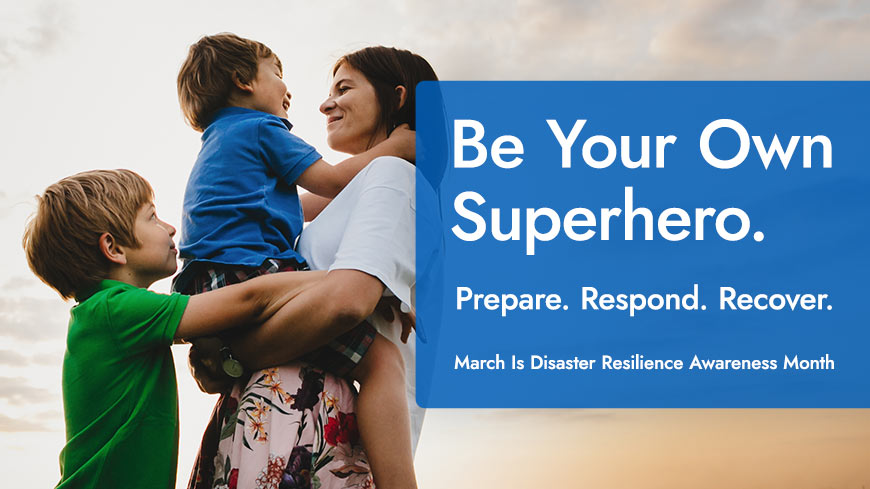
Every March, Disaster Resilience Awareness Month highlights the legal and community needs of disaster survivors. Initiated by Equal Justice Works, this national campaign focuses on strengthening disaster preparedness, response, and recovery, especially for vulnerable populations who often face the greatest challenges after a disaster.
After a disaster, homes may be damaged, jobs disrupted, and important documents lost. Recovery isn’t just physical, it’s often legal. Without access to reliable information and support, communities fall further behind.
What Is Disaster Resilience?
Disaster resilience is the ability of individuals and communities to prepare for, respond to, and recover from disasters.
It means being able to:
- Prepare before disaster strikes
- Access resources quickly after impact
- Resolve legal and financial barriers to recovery
- Rebuild stronger and more equitably
But resilience is not just about emergency response. It’s about what happens next, ensuring survivors can secure housing, replace vital records, avoid scams, access FEMA and insurance benefits, and stabilize their lives.
A key part of disaster resilience is recognizing that not all communities are impacted in the same way. Disasters do not affect everyone equally. Low-income households, seniors, people with disabilities, rural communities, survivors of domestic violence, and communities of color often face the greatest barriers to recovery.
Building true resilience means making sure these communities have access to clear information, trusted support, and the resources they need to recover fully, including legal assistance when challenges arise.
Understanding Your Risk Is the First Step
Every home has some level of risk, and every community faces different hazards such as flooding, severe storms, extreme heat, hurricanes, tornadoes, and wildfires.
On Heartland Disaster Help, users can enter their home address to understand the risks in their area. Knowing your risk helps you make informed decisions about insurance, evacuation planning, and home protection.
Being informed before disaster strikes reduces confusion and stress later. The best time to prepare is now.
Prepare Before Disaster Season
Taking a few simple steps now can make recovery easier later.
Heartland Disaster Help offers clear, easy-to-understand information about:
- What documents to protect and store safely
- What flood insurance typically does and does not cover
- Common disaster myths and facts
- Information on public benefits and relief programs
- Identifying post-disaster legal issues
- Steps to take before severe weather arrives
- Free and low-cost guidance on how to return home safely after a disaster
Connect to Free Assistance
Access to the right support can significantly improve recovery outcomes.
Through Heartland Disaster Help, users can connect to a network of trusted organizations, including legal aid providers, nonprofits, faith-based groups, and local, state, and federal agencies that support disaster recovery.
These partners can assist with:
- FEMA applications, denials, and appeals
- Housing and landlord-tenant issues
- Title and heirship matters
- Consumer fraud and contractor scams
- Access to public benefits and other recovery resources
By connecting users to both legal and community-based support, Heartland Disaster Help helps ensure recovery resources reach the people who need them most.
Strengthening Resilience Together
Disaster resilience is not built in the days after a storm. It is built through preparation, partnerships, and access to justice.
This March, we encourage community partners, service providers, and residents to:
- Start by checking your unique property risk on Heartland Disaster Help
- Explore disaster preparedness and recovery resources
- Visit and share Equal Justice Works materials
- Use toolkits to raise awareness in your community
- Incorporate legal preparedness into disaster planning
- Connect survivors to legal resources early
Resilience begins with information, but it is built through collective action. When communities share knowledge and connect to the right support, including legal assistance, recovery is stronger, and long-term resilience becomes possible.